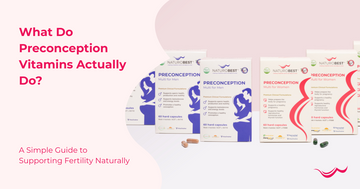


Miscarriage is one of the most difficult experiences a woman can face and it’s far more common than many realise. Around 10% of known pregnancies end in miscarriage, and that figure increases to around 20% when including very early, unrecognised pregnancies.
Why Do Miscarriages Happen?
Most early miscarriages occur due to chromosomal abnormalities in either the egg or the sperm. It’s not only the mother’s health that determines whether a pregnancy is viable, the father’s sperm quality is equally important. Sperm aneuploidy (abnormal chromosome numbers in sperm) is a recognised cause of miscarriage.
Exposure to radiation can increase the risk of chromosomal damage in both eggs and sperm. This may come from pelvic X-rays, placing laptops on laps, or keeping mobile phones in pockets. Nutrient deficiencies also play a key role.
For example, zinc and selenium are essential components of genetic material. A deficiency in these minerals can contribute to chromosomal changes, increasing the likelihood of miscarriage.
Antioxidant Status and Miscarriage Risk
A recent study showed that low total antioxidant status is associated with miscarriage. Antioxidants protect reproductive cells from oxidative damage that can compromise DNA integrity.
One particularly important antioxidant is CoQ10, commonly used by women trying to conceive. In naturopathic medicine, it’s especially recommended for women aged 35 and over, as CoQ10 supports mitochondrial function and egg quality.
Are You Taking the Right Type of Folate?
Many people use the term folate and folic acid interchangeably, but they are not the same. There are three main types of folate to be aware of:
- Folic acid – a synthetic form of vitamin B9 found in most supplements and fortified foods.
- Folinic acid – an active form of folate found in supplements and some foods.
- 5-methyltetrahydrofolate (5-MTHF) – the most biologically active form of folate, naturally found in foods such as leafy green vegetables and in high-quality supplements.
Understanding the MTHFR Gene
The MTHFR enzyme (methylenetetrahydrofolate reductase) is responsible for converting folate into its active form and for re-methylating homocysteine into methionine. This process is essential for healthy methylation, DNA synthesis, and foetal development.
When you have an MTHFR blood test, it typically looks for two genetic variants: C677T and A1298C. You can be:
- Homozygous (inherited the variant from both parents), or
- Heterozygous (inherited it from one parent).
Because these variants can impact folate metabolism, understanding your MTHFR status is important in preconception and pregnancy care.
Taking a preconception multivitamin for at least 3–4 months before conception that includes active folate (5-MTHF), zinc, selenium, and CoQ10 can help support optimal reproductive health.
Neural Tube Defects and the C677T Variant
The C677T mutation affects how efficiently the body converts folic acid into active folate.
- If you are homozygous for C677T, your ability to metabolise folic acid is reduced by approximately 70%.
- If you are heterozygous, it’s reduced by around 40%.
This means that even if you take a standard prenatal multivitamin containing 500mcg of folic acid, your body may not convert enough into its active form (5-MTHF). As a result, your risk of neural tube defects (NTDs) remains elevated.
Taking 500mcg of 5-MTHF instead significantly reduces this risk, although those who are homozygous may require a higher dose under professional supervision.
Homocysteine and Miscarriage
Let’s return to methylation and homocysteine, an amino acid naturally produced in the body. Elevated homocysteine levels can lead to thrombophilia, which is an increased tendency for blood clotting, a known cause of miscarriage.
Later in life, high homocysteine is also linked to heart disease and stroke, so maintaining balanced levels is vital at all life stages.
To keep homocysteine within a healthy range, the body needs adequate levels of vitamins B6, B12, and folate. Other nutrients can also influence this pathway and should be considered as part of comprehensive preconception care.
Those who are homozygous or heterozygous for both C677T and A1298C are at a higher risk of elevated homocysteine and the complications associated with it.
One study found that taking 800mcg of Quatrefolic® (5-MTHF) was more effective than 5mg of folic acid in reducing the risk of miscarriage in women with MTHFR variants.
Preparing for a Healthy Pregnancy
There’s a lot to consider when preparing for pregnancy but understanding your unique nutritional and genetic profile can make all the difference. A preconception care plan for both partners, ideally started four months prior to conception, is essential to improve the chances of a successful pregnancy and a healthy baby.
Supporting reproductive health through optimal nutrition, managing oxidative stress, and addressing genetic or metabolic factors is one of the most powerful ways to prepare your body for conception.